Adaptogens & natural nootropics
Brain nootropics
Healthy people using cognition‑enhancing drugs without a medical reason raises many controversial issues: ethics and fairness, adverse effects, and prescription drugs diverted to non‑medical use. Here we look only at natural options, as a starting point for your own research.
What are adaptogens?
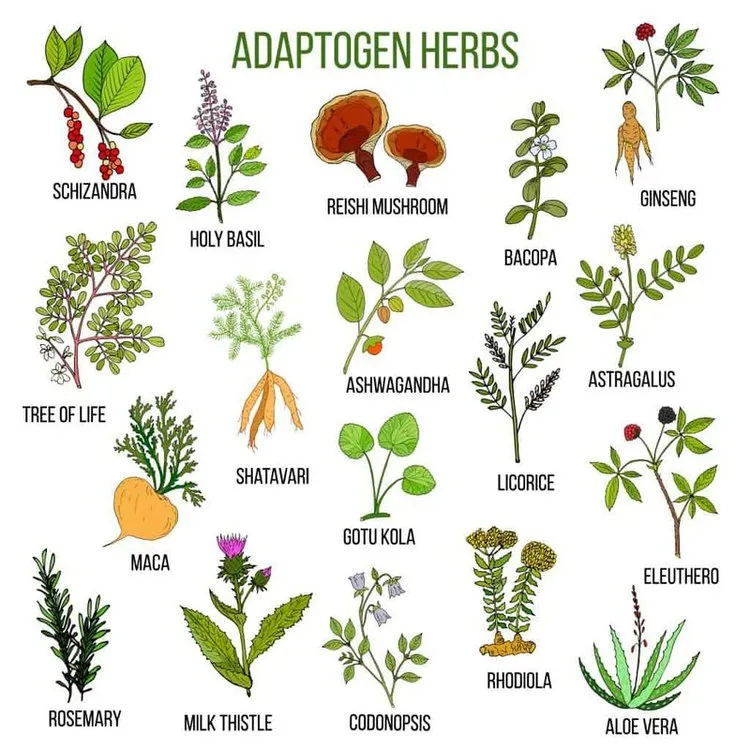
Adaptogens are a class of herbs and mushrooms that help the body reach equilibrium. They are thought to support the endocrine system, moderating the response to stress so the body can return to homeostasis.
Never take an adaptogen without consulting your doctor, especially if you take prescription drugs.
What are nootropics?
“Nootropics” first referred to chemicals that met very specific criteria. Today the word covers any natural or synthetic substance that may have a positive effect on mental skills. Nootropics fall into three groups: dietary supplements, synthetic compounds and prescription drugs. Here we cover only natural dietary supplements.
Talk
Power foods for the brain
Neal Barnard, MD, FACC, is an adjunct professor of medicine at the George Washington University School of Medicine in Washington, D.C., and president of the Physicians Committee for Responsible Medicine.
Saffron
Crocus sativus
Uses
Benefits reported in the research:
- A powerful antioxidant
- May improve mood and treat depressive symptoms
- May have cancer‑fighting properties
- May reduce PMS symptoms
- May act as an aphrodisiac
- May reduce appetite and aid weight loss
- May lower blood sugar levels
- May improve eyesight in adults with age‑related macular degeneration (AMD)
There is also interesting research comparing saffron with common pharmaceutical treatments for Alzheimer’s disease: Can saffron help treat Alzheimer’s disease?
About saffron
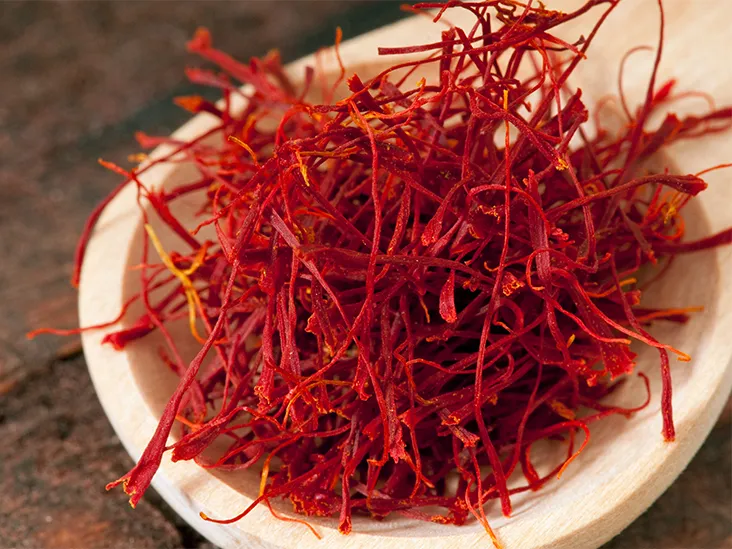
The dried, thread‑like parts of the flower (the stigmas) are used as a spice, a food colouring and a medicine.
Ashwagandha
Withania somnifera
Uses
Benefits reported in the research:
- Relieves stress and anxiety
- Lowers blood sugar and fat
- Increases muscle and strength
- Improves sexual function in women
- Boosts fertility and testosterone levels in men
- Supports heart health
- Sharpens focus and memory
Small studies found that, compared with placebo, ashwagandha significantly improved reaction times in cognitive and psychomotor tests. One study found it significantly improved attention span and immediate and general memory across several tests.
See also: Ashwagandha in breast cancer (Journal of Ethnopharmacology).
Ashwagandha is associated with hormone balance and can have unintended effects in people with a sluggish thyroid or Hashimoto’s disease.
About ashwagandha
Also called winter cherry or “Indian ginseng”: it is unrelated to true ginseng but shares some of its properties. It is an evergreen shrub of the nightshade family (Solanaceae) that grows in India, the Middle East and parts of Africa.
Bacopa monnieri
Uses
Bacopa monnieri is used in Ayurvedic medicine to improve memory and treat various ailments. Reviews and meta‑analyses of clinical studies found it may improve cognition, though the effect was only measurable after several weeks of use. One theory is that it stimulates the branching of neuron dendrites, improving communication between neurons. Others attribute its effects to its antioxidant and adaptogenic properties.
In 2019 the FDA warned manufacturers of Bacopa supplements that claims of treating or preventing stomach disease, Alzheimer’s disease, hypoglycaemia, high blood pressure and anxiety were unproven and illegal. Bacopa products are not approved for any medical purpose.
About Bacopa
A perennial, creeping herb native to wetlands in southern and eastern India, Australia, Europe, Africa, Asia and the Americas. Common names include water hyssop, brahmi, thyme‑leafed gratiola, herb of grace and Indian pennywort.
The “emperor” of adaptogens
Panax (Asian) ginseng
Uses
Traditional Chinese doctors have prescribed ginseng for centuries to boost energy and vitality (WebMD). We suggest looking into liquid forms, which are less common, and high‑quality products.
The root contains ginsenosides, compounds with antioxidant and anti‑inflammatory effects. Ginseng is said to promote longevity and cognitive function and to relieve fatigue. Some trials report improved cognition in healthy people and in people with dementia, but the evidence is mixed because of trial quality and product differences.
About Panax ginseng
Also known as Asian, Chinese or Korean ginseng. A perennial plant from the mountains of East Asia, and among the longest‑living plants.
Lion’s mane
Hericium erinaceus
Uses
Lion’s mane may support the development and function of nerves and protect them from damage, which might help prevent anxiety, memory loss, Alzheimer’s or Parkinson’s disease. It also seems to protect the stomach lining, which may help with gastritis or stomach ulcers. Many studies show it crosses the blood–brain barrier, and it may increase neurogenesis in the hippocampus, the part of the brain responsible for learning and memory.
It is one of the safest medicinal mushrooms, but its side effects are not well documented and its effect varies from person to person. Read more: Healthline on lion’s mane.
About lion’s mane
Also called mountain‑priest mushroom or bearded tooth fungus: an edible mushroom native to North America, Europe and Asia that grows as a single clump of dangling spines.
Brown seaweed
Uses
In 2019 China’s National Medical Products Administration approved Oligomannate, made from brown‑algae extracts, as an oral treatment for mild to moderate Alzheimer’s disease based on improved cognition in clinical trials. It works by modifying the gut microbiota, a different mechanism from drugs such as aducanumab and pimavanserin.
“This diversification in the methods of attack against Alzheimer’s is an important development.”
About brown algae
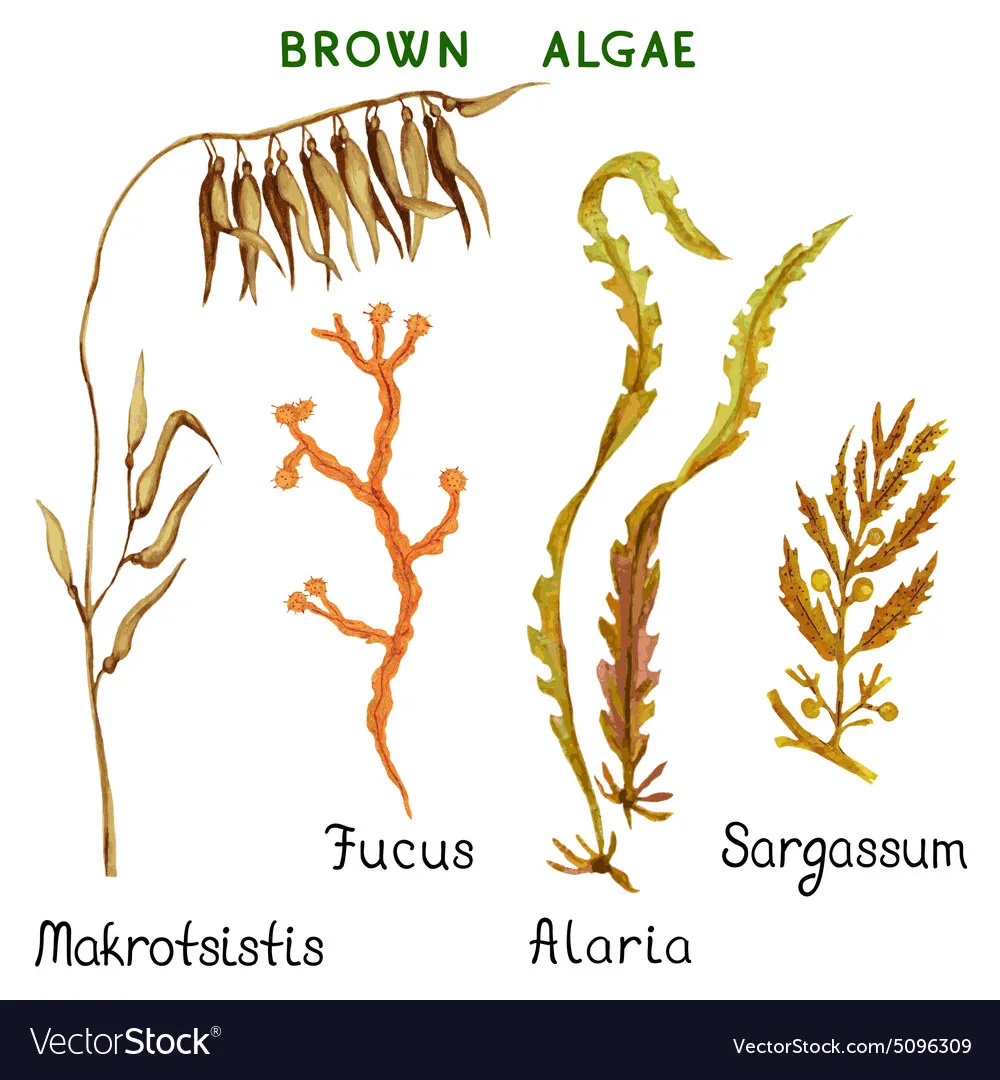
Brown algae (class Phaeophyceae) are a large group of multicellular algae, including many seaweeds of colder Northern Hemisphere waters, and the main seaweeds of temperate and polar regions. Some, such as kelp, are eaten.
Rhodiola rosea
Uses
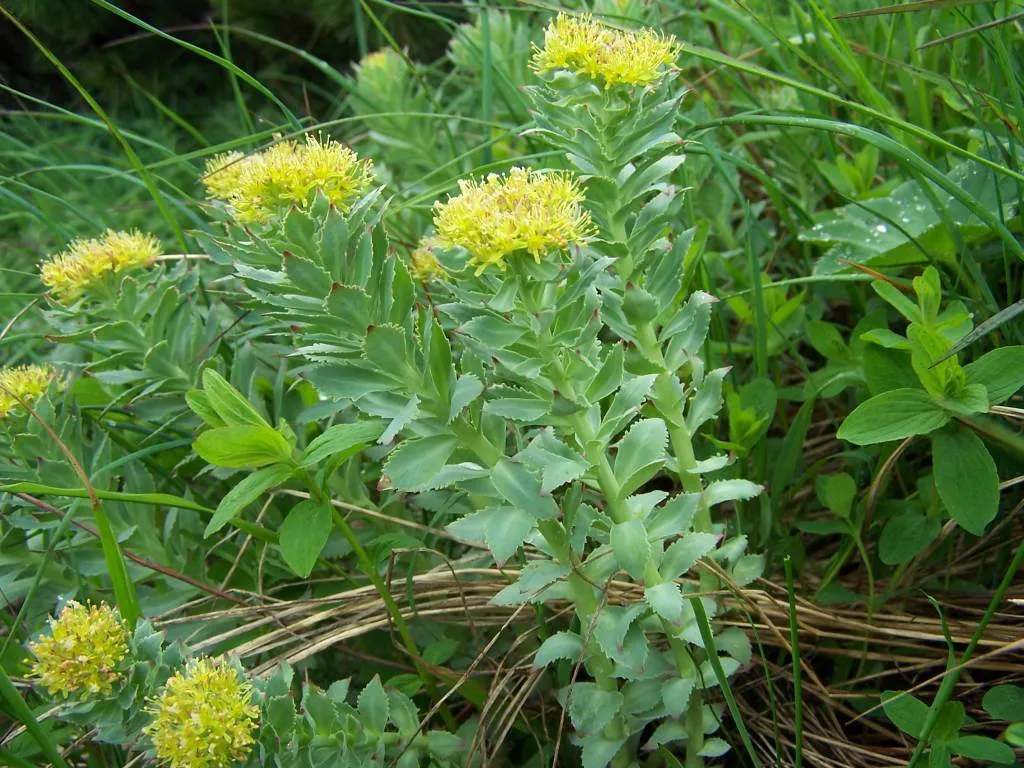
Withania (ashwagandha) and Rhodiola are considered by many the “king” and “queen” of herbal medicines for restoring health, vitality, immunity and stamina. Rhodiola’s uses range from Greek medicine 2,000 years ago to 20th‑century cosmonauts.
About Rhodiola rosea
Its roots contain about 140 chemical compounds. The genus has more than 100 species, 20 of them used in traditional Asian medicine, but most studies concern R. rosea. In Russia and Scandinavia it has been used for centuries to cope with the cold climate and a stressful life, and to increase endurance and resistance to altitude sickness, though the evidence for these uses is weak. In traditional Chinese medicine it is called hóng jǐng tiān.
Further reading